Columbia University Arts and Sciences
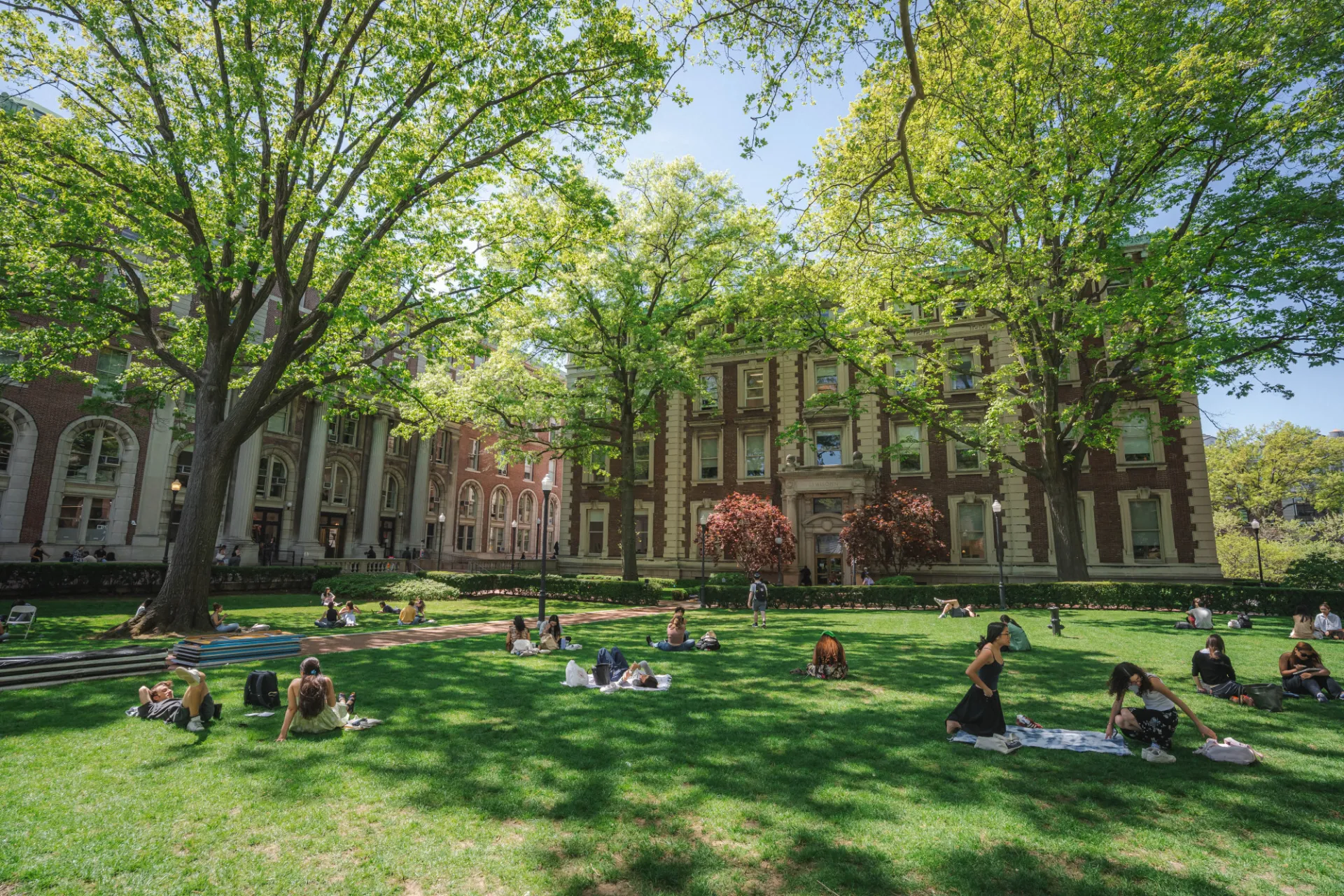
The Faculty of Arts and Sciences is the intellectual heart of Columbia University. Home to five schools, more than 1,000 faculty, 60 research centers and institutes, and 28 academic departments, we provide a transformative educational experience to more than 15,000 undergraduate, graduate and PhD students at Columbia – nearly half the student body.
Our field-defining research – anchored in the humanities, social sciences, and natural sciences – engages fundamental questions about our society and our world, and supports Columbia’s broader mission to advance knowledge, learning, and impact at the highest levels.
Transformative Learning
The five schools within the Arts and Sciences comprise a vibrant community of learners, including pre-college, full-time undergraduate and graduate, non-traditional, and part-time students.
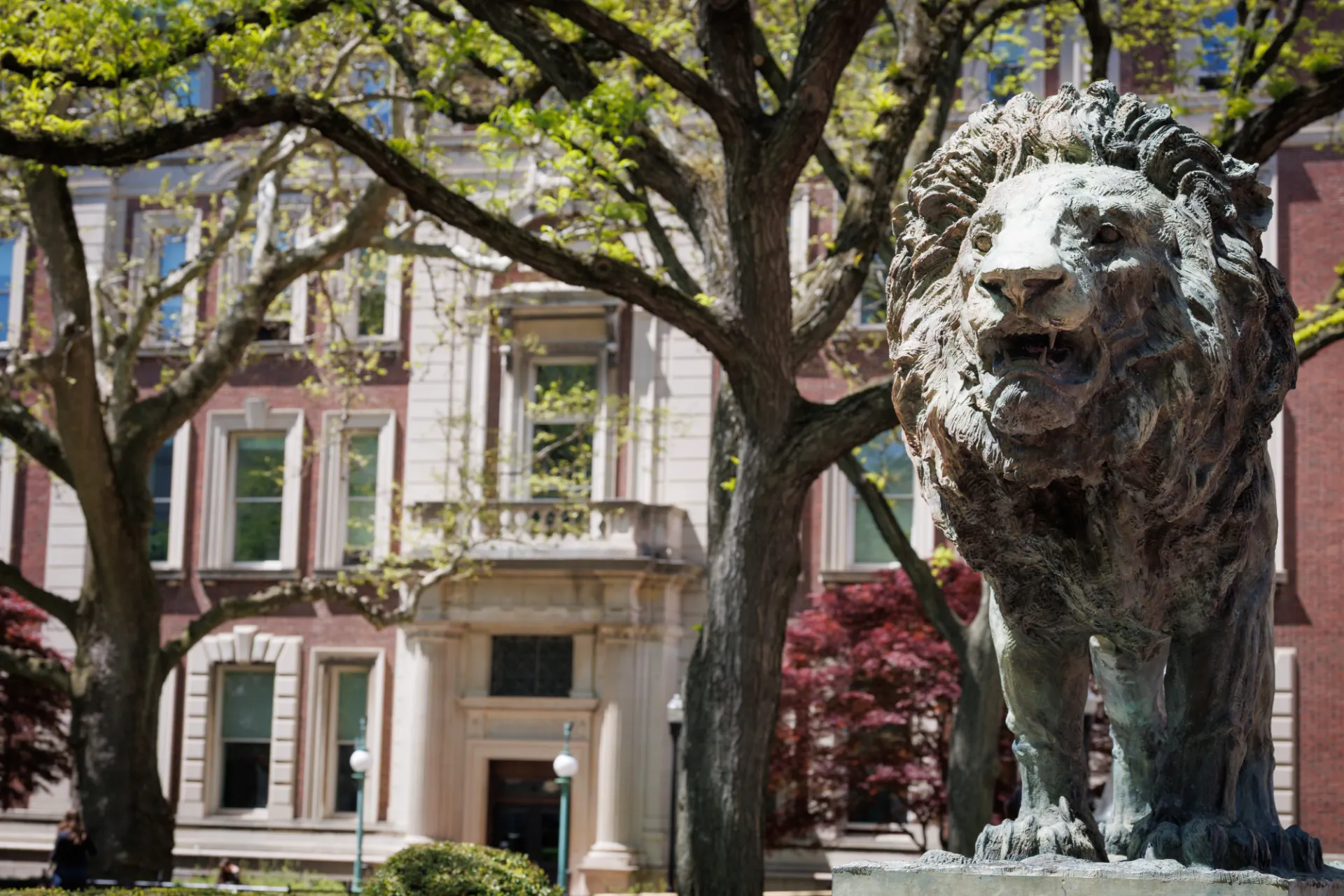
Undergraduate Schools
• Columbia College
• School of General Studies
Graduate Schools
• Graduate School of Arts and Sciences
• School of the Arts
• School of Professional Studies

Breakthrough Research
Arts and Sciences faculty and researchers are producing extraordinary discoveries that are reshaping our understanding of science, culture, society, and the universe.
Research News
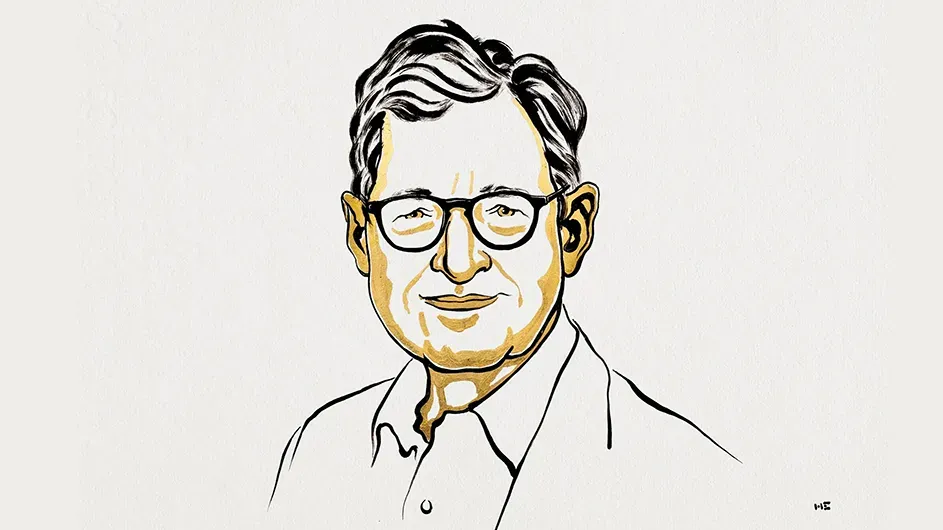
Columbia’s Michael Woodford Wins 2026 Nobel Memorial Prize in Economics
Woodford receives Sveriges Riksbank Prize in Economic Sciences, along with Robert E. Hall of Stanford University, for microeconomic foundations of macroeconomic stabilization.
October 22, 2026
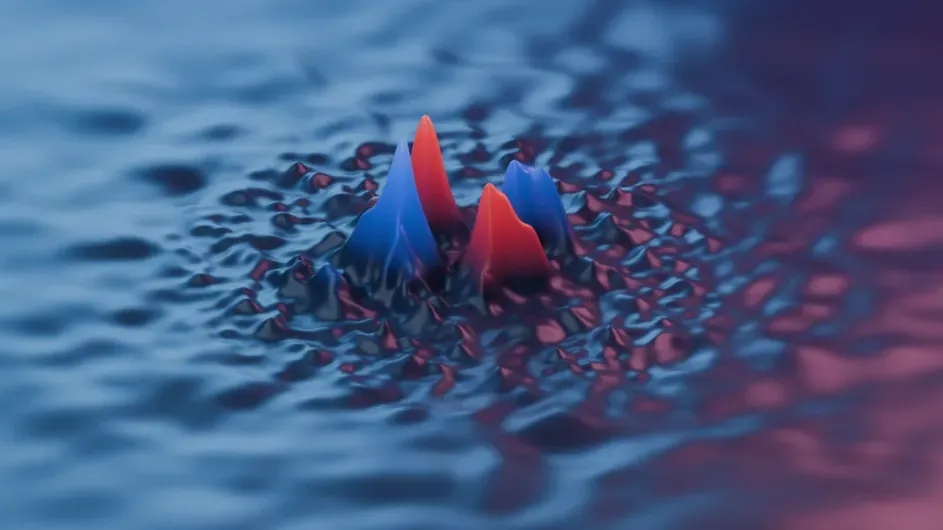
Electrons should move freely in metals. New research from Columbia identifies how to trap them in place.

Faculty News and Updates

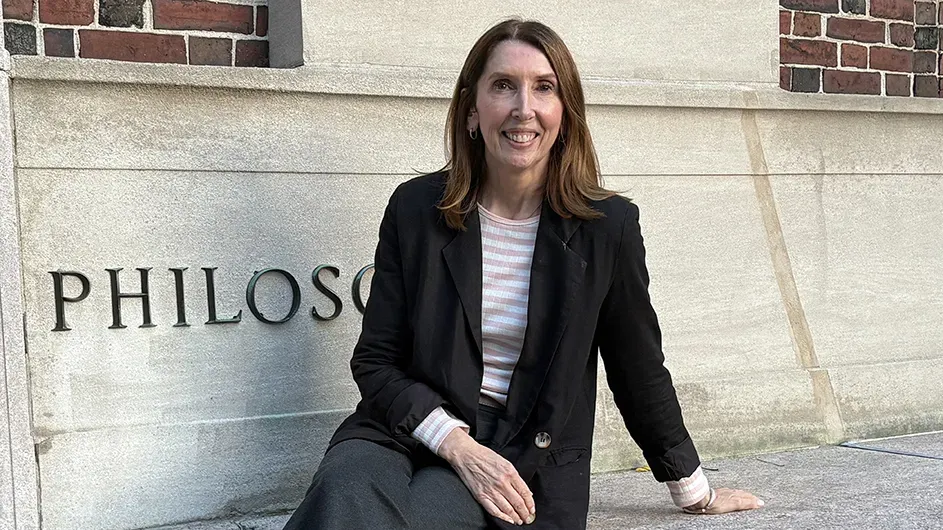
The field “provides essential tools for understanding how power operates across society,” she says.
Her plans include helping her colleagues flourish and encouraging undergrads to broaden their thinking about French.
Woodford receives Sveriges Riksbank Prize in Economic Sciences, along with Robert E. Hall of Stanford University, for microeconomic foundations of macroeconomic stabilization.